
Introduction: The New Landscape of Copyright in the Age of AI
Independent authors today face unprecedented challenges in protecting their creative works due to rapid advances in Artificial Intelligence (AI). From concerns about unauthorized web scraping to the complexities of registering copyrights for AI-assisted content, navigating this ever-evolving digital environment requires updated knowledge and actionable strategies.
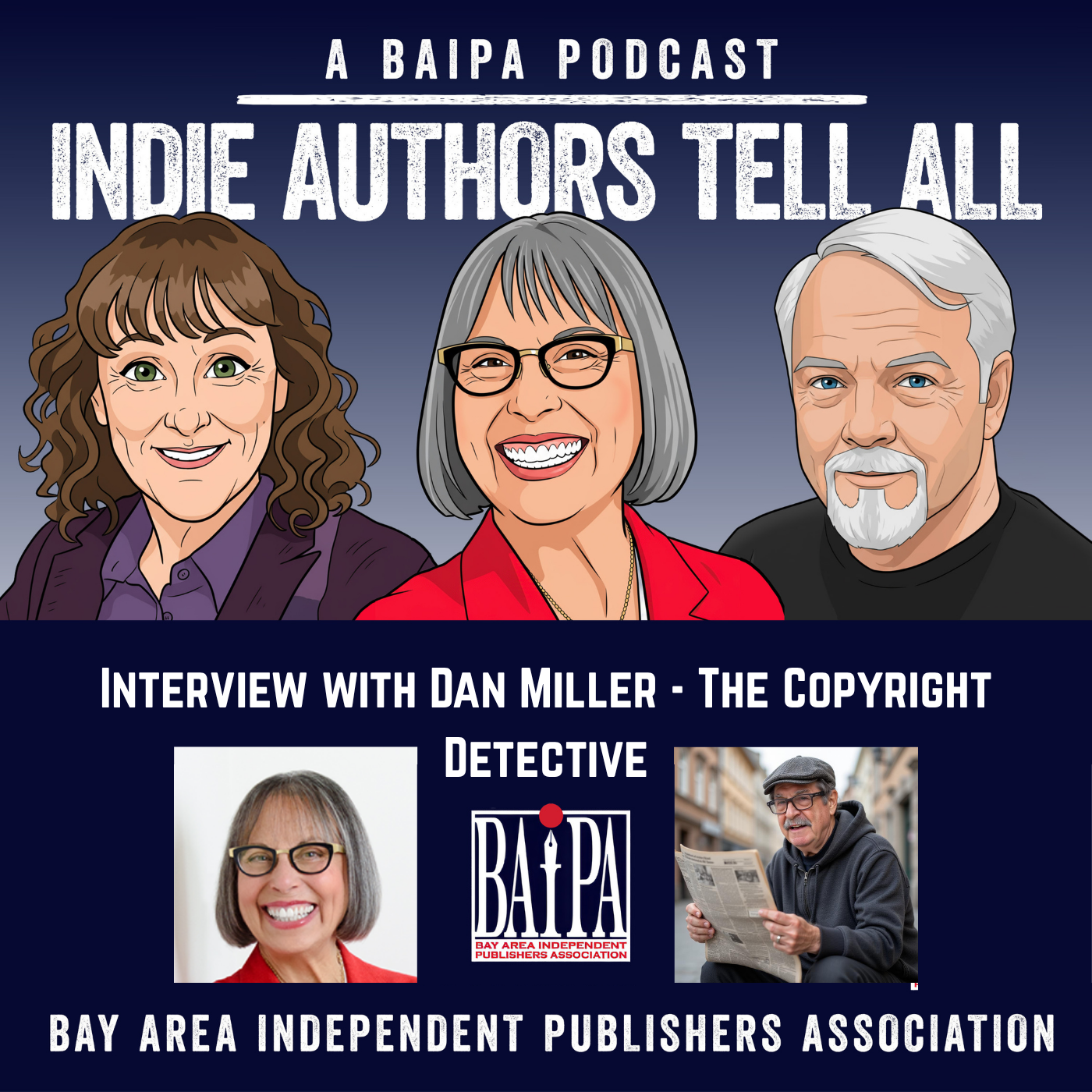
In a revealing conversation on Indie Authors Tell All, host Judy M. Baker interviews Dan Miller, known as the Copyright Detective, about what indie authors need to know to safeguard their intellectual property in this AI-impacted publishing landscape.
Meet Dan Miller: The Copyright Detective
Dan Miller brings decades of experience combining education, technology, and copyright law. With roots dating back to early computing and involvement in copyright clearance since the 1990s, Dan has evolved his expertise alongside digital transformations.
His journey into copyright began working on projects like NASA’s Classroom of the Future, pioneering ways to use copyrighted materials online legally. This foundation equipped him uniquely to tackle the complex challenges that AI now introduces to copyright enforcement and protection.
How AI is Redefining Copyright in Publishing
Dan explains the fundamental challenge: content generated entirely by AI tools such as ChatGPT or Claude does not qualify for copyright protection because the work is machine-created, not human-authored. However, when an author uses AI merely as a tool to enhance or modify their original work, that content generally remains copyrightable.
This distinction is critical for indie authors who want to leverage AI for productivity without jeopardizing their legal rights. For example, Dan uses AI to customize LinkedIn posts for different groups, maintaining enough original input to retain copyright protections.
Authors must also be vigilant about how AI-generated content is disclosed. Both the U.S. Copyright Office and platforms like Amazon require transparency regarding the use of AI-generated material in publications.
Challenges of Web Scraping and AI Training Data
One major concern for authors is unauthorized scraping of their online content, feeding into AI training datasets without permission. Dan points out that once work is online, it is likely captured by AI systems, intentionally or unintentionally, creating potential infringement issues.
Recent lawsuits against platforms like Perplexity AI—which openly screenshot copyrighted website content during queries—highlight the ongoing legal battles. Authors should be aware of these developments and take proactive steps to assert their rights.
Essential Steps to Protect Your Creative Assets
- Register Your Copyright: While copyright protection exists upon creation, legal enforcement in the U.S. requires registration with the Copyright Office, ideally within three months of publication.
- Understand Publication Dates: Public availability, such as when a book goes live on Amazon or a presentation video is posted online, triggers the registration clock.
- Utilize Group Registrations: Authors can register batches of works together, such as blogs or photographs, to simplify protection efforts.
- Join Author Organizations: Groups like the Authors Guild and the Independent Book Publishers Association offer legal support, advocacy, and help in fighting copyright infringements, especially concerning AI issues.
- Disclose AI Usage: Maintain records of AI involvement in your work and comply with disclosure requirements on publishing platforms.
Legal Battles on the Horizon: The Anthropic Settlement
The ongoing lawsuit involving AI company Anthropic illustrates the scale of copyright infringement concerns, with millions of books allegedly pirated for AI training. Dan emphasizes the importance of the three-month registration rule in this context—only registered works qualify for settlement claims.
“If you have a book you think is pirated, you need to check it by March 30th and file a claim to be eligible for the settlement,” Dan advises. The compensation could be significant for authors with multiple titles.
Practical AI Usage Tips for Authors
Dan shares how he personally uses AI responsibly as a productivity tool rather than a content creator. For instance, he leverages AI to tailor social media posts to different audiences without surrendering copyright ownership.
He also points out the value of keeping content agile—considering ebooks and blogs as dynamic platforms that can be updated quickly as legal and technological landscapes shift.
When Should You Consult a Copyright Expert?
Dan strongly recommends reaching out early in the publishing process, especially whenever third-party copyrighted materials like song lyrics or photographs are involved. Early guidance can prevent costly permissions issues or legal risks down the line.
Even after publication, if authors suspect copyright infringement or piracy, immediate consultation is vital to protecting their rights and pursuing remedies.
Learn more and get expert help at TheCopyrightDetective.com.
Conclusion: Empowering Indie Authors in the AI Era
The intersection of copyright law and AI is complex and rapidly evolving, presenting real challenges for indie authors trying to protect their creative assets. However, with informed strategies—such as timely copyright registration, disclosure of AI use, membership in advocacy groups, and expert consultation—authors can navigate this new terrain confidently.
Dan Miller’s approach as the Copyright Detective demystifies these issues with practical advice and a level-headed perspective, empowering independent authors to safeguard their work and thrive in the digital age.
Author


One of my favorite things about BAIPA is its culture of generosity, the willingness — even eagerness — to share what we have each learned in the process of bringing stories to life. We provide educational programs, networking, marketing opportunities, encouragement, and information on industry vendors and services. And lots of one-on-one advice and mentoring.
We welcome all who have an interest in making connections within the world of independent publishing and learning more about how to publish and sell their work successfully. Together we are raising the standard of independent publishing and helping our members thrive.
Do join us!
—Becky Parker Geist, BAIPA Board of Directors, President
Quick Resources
Current BAIPA members do not need to register for our monthly meetings. The night before the meetings, they will receive the Zoom info. For workshop registration, currently, members get in free for all workshops and will receive the Zoom info the night before the meetings, as well as in the confirmation email.